


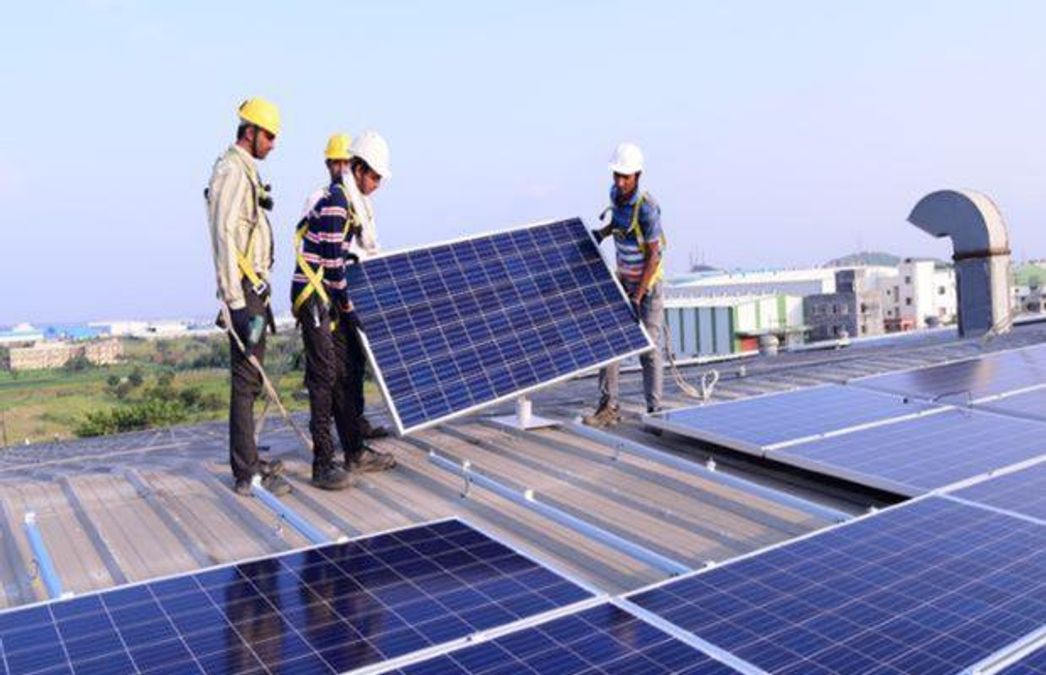
Switching to solar energy is a smart choice — it reduces electricity bills, increases property value, and gives long-term energy security. But many people jump into the installation process without proper planning, which leads to expensive and avoidable mistakes.To help you make a confident and informed decision, here are the top 5 solar installation mistakes you should avoid before going solar.
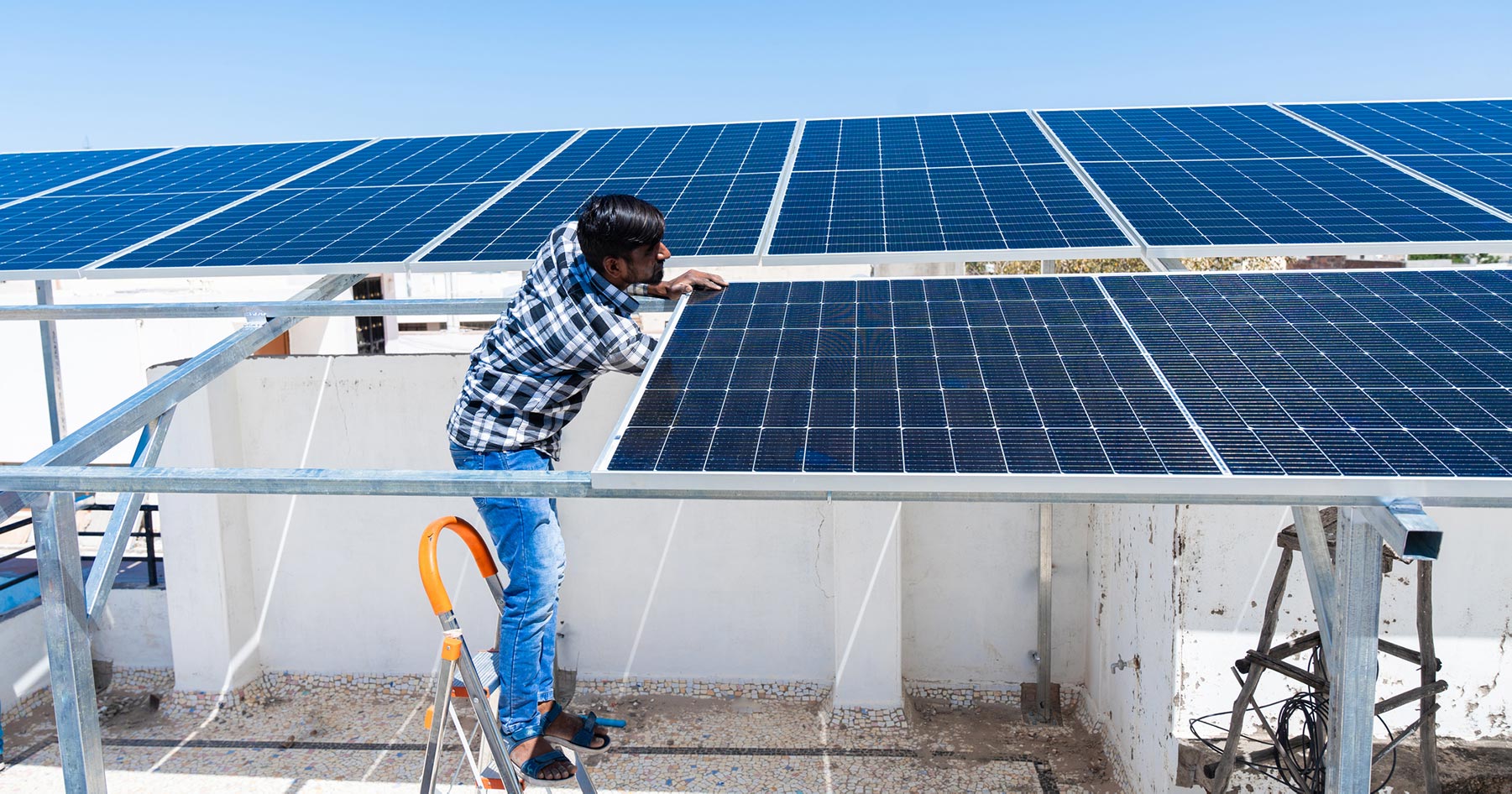
Solar Installation Mistakes You Need to Avoid
1. Not Understanding Your Actual Power Requirements
One of the most common mistakes is estimating energy consumption instead of checking real usage. Without reviewing previous electricity bills, people often choose the wrong system size.
This results in:
- An undersized system that fails to meet daily needs, or
- An oversized system that costs more than necessary
Tip: Check your past 6–12 months electricity bills to calculate your exact load requirement and choose the correct system capacity.
2. Ignoring Roof Condition, Angle & Shadowing
Roof suitability is critical for proper solar performance. Many homeowners overlook shading from trees, water tanks, and nearby buildings—this can reduce output by 20–30%.
Important factors include:
- Roof direction & tilt
- Shadow-free area
- Roof strength and space availability
Tip: Always get a proper site inspection to ensure your roof receives maximum sunlight throughout the day.
3. Selecting the Cheapest Equipment or Installer
Low-price quotes often mean low-quality components. Choosing the cheapest option without checking brand quality, efficiency, or warranty is one of the biggest solar mistakes.
Poor-quality panels or inverters can:
- Break down early
- Give lower power generation
- Increase long-term maintenance cost
Tip: Choose certified panels and inverters with strong warranties and a reliable support team.
4. Skipping Subsidy & Net Metering Benefits
Many people don’t apply for government subsidies or net-metering simply because they don’t know the process. These benefits can reduce your initial investment and increase savings dramatically.
Subsidy and net-metering help you:
- Reduce upfront cost
- Export excess electricity to the grid
- Improve payback period
Tip: Check the official solar subsidy portal for eligibility, required documents, and the complete application process.
5. Ignoring Maintenance & System Monitoring
Solar systems require very little care, but they are not completely maintenance-free. Dust, bird droppings, and lack of monitoring reduce system efficiency over time.
Common issues due to poor maintenance:
- Lower generation
- System faults going unnoticed
- Slow reduction in panel efficiency
Book a Free Consultation Today