


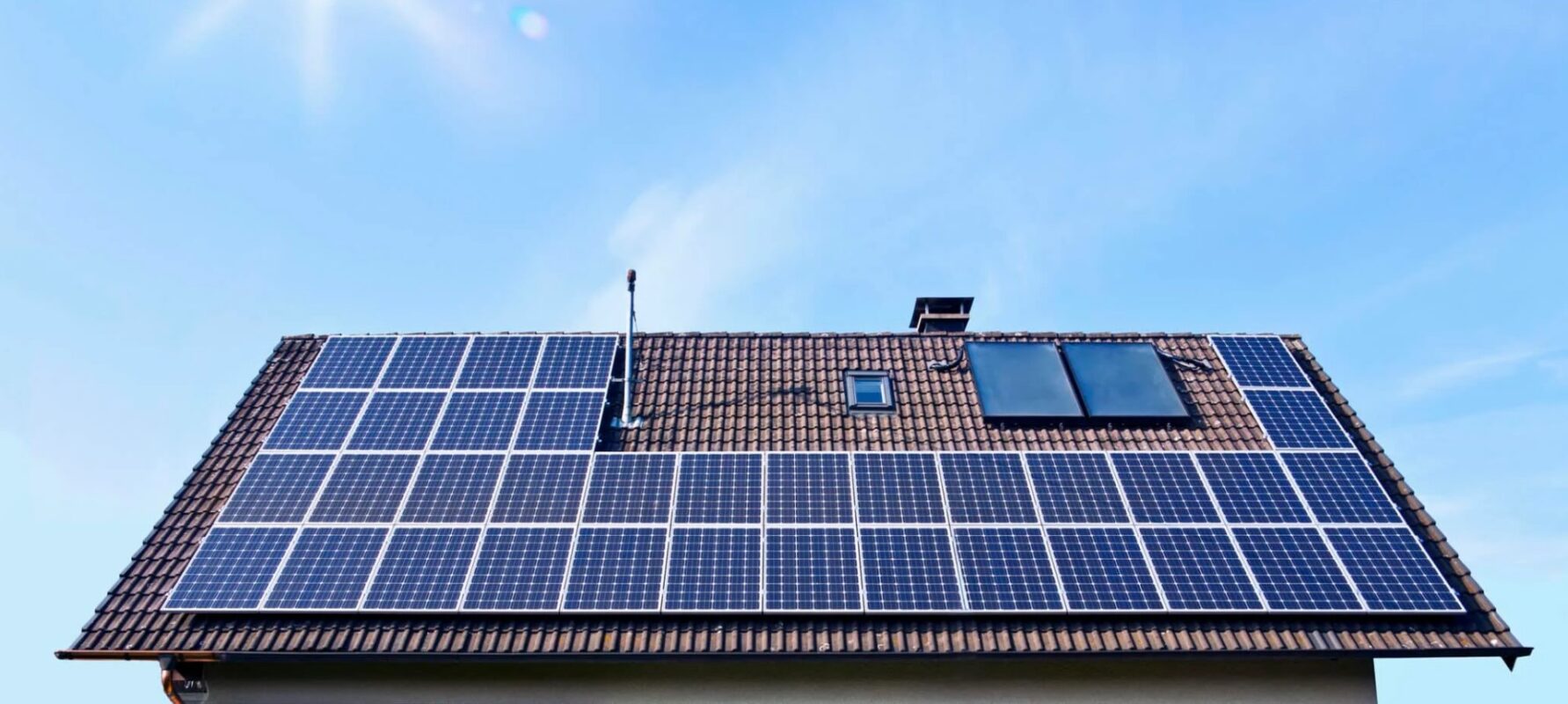
Looking to reduce your electricity bills while embracing sustainable living? Investing in solar panels is a smart solution. Solar energy systems not only pay for themselves over time but also provide significant long-term savings.
What Is the Solar Payback Period?
The solar payback period refers to the time it takes for your solar system to recover its installation cost through electricity savings. This period depends on factors such as system size, electricity usage, installation costs, and available incentives. On average, the payback period is typically 6 to 10 years.Even after this period, modern solar panels continue to generate energy efficiently for 25–35 years, ensuring long-term savings and a solid return on investment.
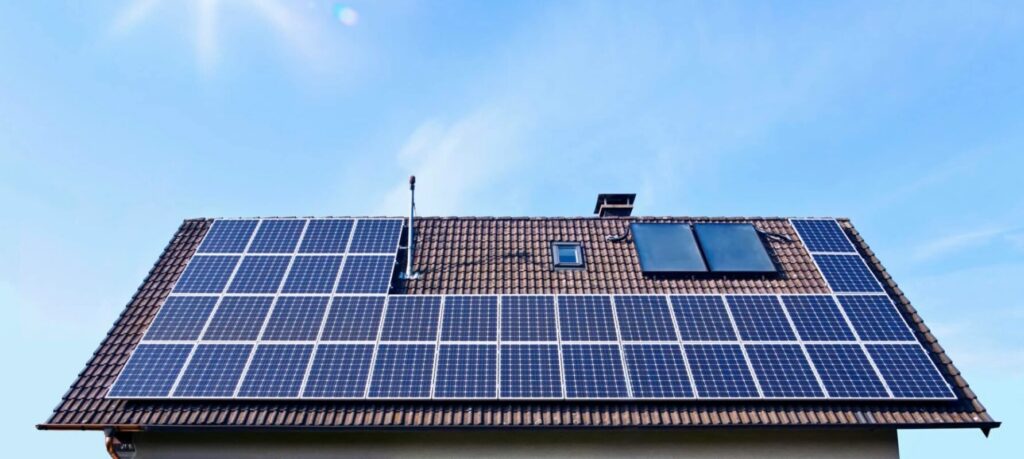
What Is Considered a Good Payback Period?
A shorter payback period means quicker returns. While larger systems require a higher upfront investment, they produce more electricity, resulting in greater monthly savings.Rising electricity rates and government incentives can further shorten the payback period, making solar panels an excellent investment for both homes and businesses.
Why Choose Solar Power?
- Reduce Electricity Bills: Generate your own electricity and lower monthly expenses.
- Sustainable & Eco-Friendly: Reduce carbon footprint and support clean energy.
- Reliable Energy: Solar systems provide consistent electricity, especially when paired with battery backup solutions.
Factors Affecting Your Solar Payback Period
- Electricity Consumption: Your monthly electricity usage determines the system size you need. For example, a household using 400 units/month may require a 3kW solar system.
- System Size & Cost: Larger systems produce more electricity and offer faster payback but require a higher upfront cost.
- Solar Output: A 1kW system typically generates 4 units/day. A 3kW system produces around 360 units/month, covering a large portion of electricity needs.
- Savings Estimate: Using the example above, the system can supply 90% of electricity, reducing your monthly bills substantially. Annual savings can amount to ₹30,000+, depending on consumption and grid rates.
- Incentives & Net Metering: Government rebates and net-metering policies further improve the return on investment.
Book a Free Consultation Today
Frequently Asked Questions (FAQs)
Q1: How many years does it take to pay back solar panels?
The payback period varies based on system size, electricity usage, installation costs, and available incentives. On average, it ranges from 6–10 years.
Q2: Do solar panels pay for themselves?
Yes. Over time, the savings on electricity bills recover the initial investment. Incentives and net-metering can make this process faster.
Q3: What happens after paying off solar panels?
Once paid off, your solar panels generate electricity at no additional cost, providing continuous savings while reducing dependency on the grid.